
Chapter VIII 8/9
New Evangelization – The MCC and the Third Millennium
The challenge of evangelizing environments today, in fidelity to the original charism.
Share chapter
The entrance into the Third Millennium found the Movement of Cursillos de Cristiandad (MCC) in full maturity and global expansion. Called to respond to the new pastoral challenges of our time, the MCC embraced with enthusiasm the New Evangelisation proposed by Saint John Paul II: an evangelisation “new in ardour, methods and expression”.
John Paul II: A Prophetic Voice
On several occasions, Pope John Paul II publicly recognised the value of the MCC as a privileged instrument of evangelisation in the modern world. At the 3rd World Ultreya, celebrated in Rome during the Jubilee Year of 2000, he addressed thousands of cursillistas with words full of hope: “Accept without fear this challenge that our time sets before you for the new evangelisation”. He also highlighted the capacity of the MCC to touch the hearts of those who are far away, awakening in them the desire to encounter Christ anew.
Canonical Recognition
In 2004, the Holy See granted the MCC international canonical recognition as an association of the faithful of pontifical right. Through the Pontifical Council for the Laity, the statutes of the World Organisation of Cursillos de Cristiandad (OMCC) were officially approved. This gesture confirmed the ecclesial mission of the movement and strengthened its presence in the pastoral life of the universal Church.
Fidelity to the Charism
In the same spirit, in 2013 the 3rd edition of the book *Fundamental Ideas of the MCC* was published, reaffirming the original charism of Eduardo Bonnín and updating its language and methods in the light of modern times. This doctrinal update, approved at a World Encounter in Australia, reaffirms that the MCC remains faithful to its roots, while attentive to the signs of the times.
Pope Francis: A Church Which Goes Forth
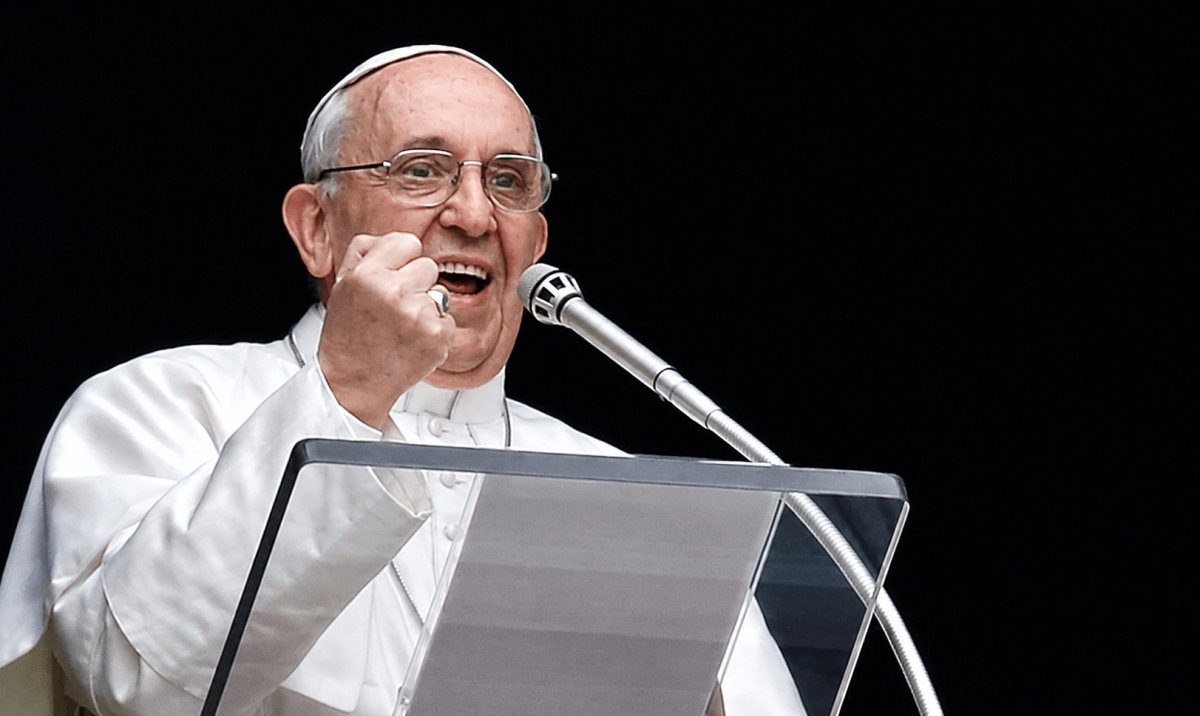
During the 3rd European Ultreya, celebrated in Rome in 2015, Pope Francis received cursillistas from 11 countries and renewed his support for the movement. He invited everyone to live the MCC as a path of joyful and compassionate evangelisation, stressing that “the Church is a mother with an open heart, who welcomes everyone, especially those who find it difficult to live the faith”. Francis also underlined that friendship — the central axis of the MCC — must be open to all, and not limited to small circles of affinity.
Evangelising the Environments
The essential mission of the MCC has always been to leaven the environments with the Gospel. In the Third Millennium, this mission becomes even more necessary. Universities, workplaces, families, social networks, forgotten communities — all need authentic Christians who, with joy and conviction, bring the good news of God’s love. The Cursillos are a concrete response to this appeal of the Church: to form men and women who, having been touched by Christ, touch the world.
Formation, Accompaniment, Perseverance
The MCC increasingly invests in the formation of leaders, through the Schools of Leaders; in the pastoral accompaniment of the “fourth day”; and in the creation of solid structures to ensure perseverance and Christian maturity. The witness of life, lived in community, becomes the evangelising method par excellence — more effective than speeches, more lasting than isolated events.
In this new time, the MCC remains faithful to its vocation to “proclaim the kerygma to each concrete person, wherever he or she may be”. Thus, the movement continues to contribute with enthusiasm to the evangelising mission of the Church in the twenty-first century.